Christ the Redeemer: Brazil’s Monument of Faith and One of the New 7 Wonders of the World
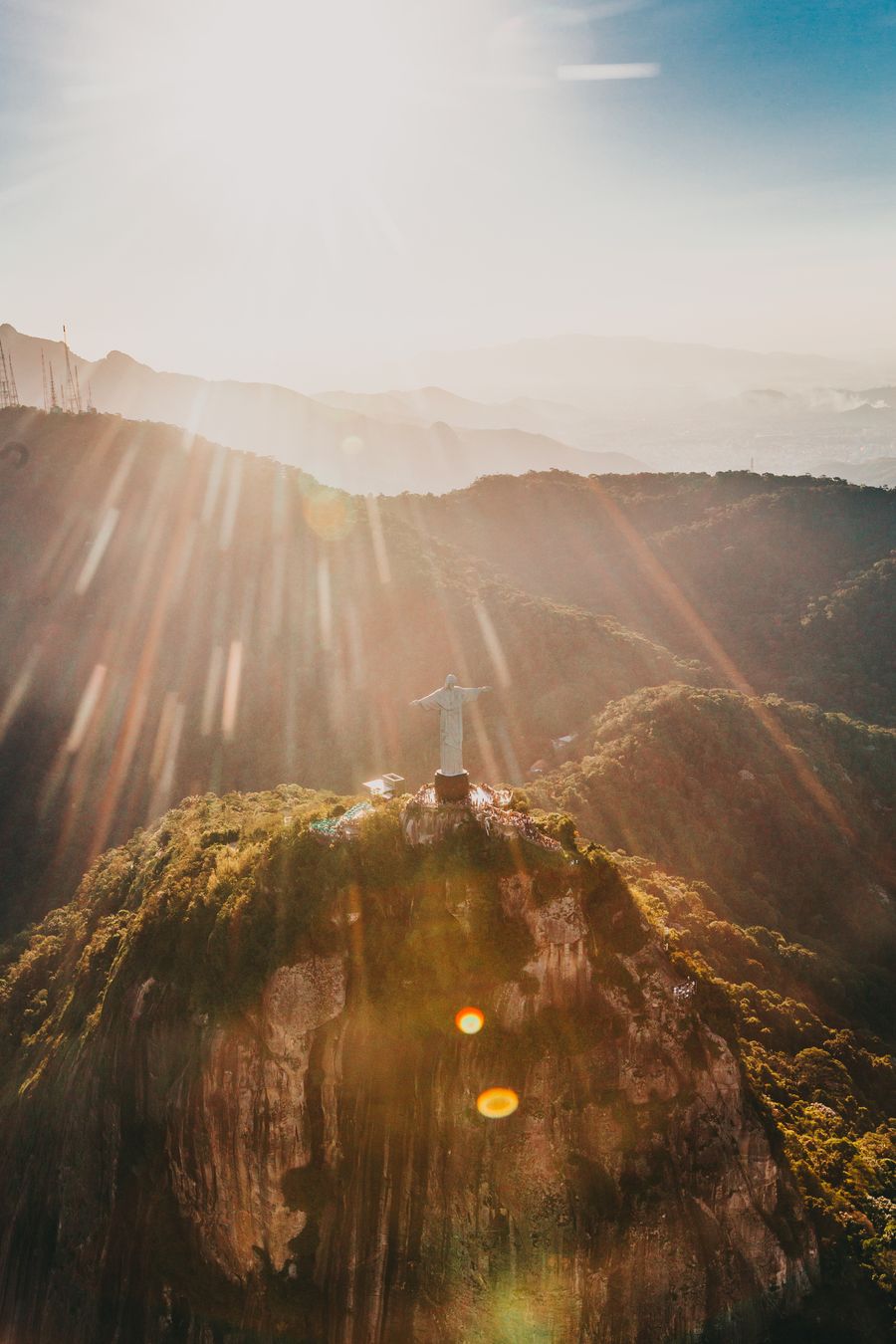
High above the sprawling city of Rio de Janeiro, perched on the granite peak of Mount Corcovado, stands an image recognized around the globe: Christ the Redeemer. With arms outstretched as if embracing the city, the statue is both a spiritual symbol and a masterclass in human craftsmanship. Named one of the New Seven Wonders of the World in 2007, Christ the Redeemer continues to draw pilgrims, photographers, and curious travelers eager to stand beneath its gaze.
A Dream Takes Shape
The idea of a monumental statue on Corcovado dates back to the 1850s, but the project gained momentum in the early 20th century as Brazil prepared to celebrate its centenary of independence. The Catholic Circle of Rio raised funds, and a design was commissioned that would combine engineering strength with artistic grace. French sculptor Paul Landowski designed the statue’s form while Brazilian engineer Heitor da Silva Costa oversaw construction and logistics. The face of Christ was sculpted by Romanian artist Gheorghe Leonida.
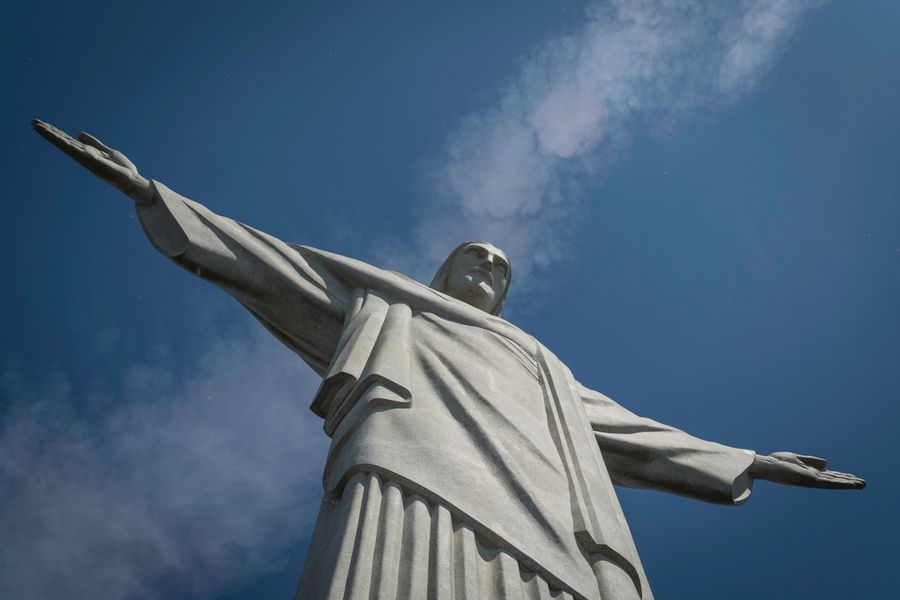
Construction began in 1922 and, after years of planning and careful assembly, the statue was inaugurated in 1931. Built of reinforced concrete and clad in thousands of triangular soapstone tiles, the figure stands 30 meters tall (98 feet) with an arm span of 28 meters — a testament to both artistry and endurance.
Engineering Against the Elements
Mount Corcovado’s steep slopes posed a formidable challenge: materials had to be hauled up the mountain, often in difficult weather. A small railway and human effort carried heavy sections and tiles up to the summit. The statue was assembled piece by piece, and the careful placement of soapstone tiles gives the surface its subtle luminosity while providing durability against wind and rain.
Over the decades, Christ the Redeemer has faced lightning strikes, heavy storms, and strong coastal winds. Routine conservation work — including replacement of tiles and structural reinforcement — ensures that this global icon remains safe and shining for future generations.
More than a Religious Monument
Though a Christian symbol, Christ the Redeemer’s message transcends religion for many visitors. It stands for welcome, compassion, and the resilience of a people. On festival days and during global events, the statue is lit in colors and patterns to mark celebrations, remembrance, and solidarity. Its presence above Rio’s beaches, hills, and neighborhoods acts as a cultural anchor — a place where faith, art, and everyday life meet.
The Visitor Experience
Reaching the statue is part of the experience. Most visitors take a scenic train ride through Tijuca National Park, one of the world’s largest urban forests, which protects the natural slope of Corcovado. From the summit, panoramic views unfold: Sugarloaf Mountain, Copacabana, Ipanema, and the vast Atlantic horizon. On clear days the sight is breathtaking; even in mist, the statue emerging from clouds feels almost otherworldly.
Culture, Media, and Global Recognition
In 2007 the global campaign that selected the New Seven Wonders named Christ the Redeemer among humanity’s most remarkable monuments. Its image fills postcards, films, documentaries, and social media feeds — a universal shorthand for Rio and Brazil. Hollywood films and documentaries have used the statue’s silhouette to evoke grandeur and identity, while countless photographers chase the golden hour to capture its iconic form.

Conservation and Challenges
Protecting Christ the Redeemer is an ongoing task. The statue’s soapstone cladding requires regular inspection and replacement where weathering or lightning cause damage. Recent restorations have used modern materials and techniques — including 3D mapping for precise repairs — while respecting the original design. Preservation is not only technical work; it is a cultural commitment supported by local institutions and international attention.
Why It Still Matters
Christ the Redeemer endures because it carries multiple meanings. For many, it is a place of prayer and reflection; for others, a cultural landmark; for students of architecture, a marvel of early 20th-century engineering. As a New Wonder of the World, it connects millions to a shared human heritage — a reminder that public art can become a global language.
Conclusion
Standing beneath Christ the Redeemer, looking up at its calm face and outstretched arms, visitors often feel a mix of smallness and solace. It is a place that invites quietness amid the city’s hustle and asks for reflection: on faith, community, and our shared responsibility to preserve beauty. As Rio de Janeiro continues to change, the statue remains — timeless, welcoming, and profoundly human.
Labels: Christ the Redeemer, Rio de Janeiro, Brazil, World Wonder, Statue of Christ, Travel, Faith, Architecture, World by Zahra


No comments:
Post a Comment